Model Number: 109050
Material: PEEK
Application: Indicated for use in patients with cervical degenerative disc disease, adjacent segment disease requiring revision, pseudarthrosis, or failure of previous cervical fusion procedures
Compatible Instruments: AIB03
The Self-Stabilizing Cervical Fusion Cage is an intervertebral spacer manufactured from radiolucent PEEK (polyetheretherketone) and integrated with pure tantalum X-ray markers.
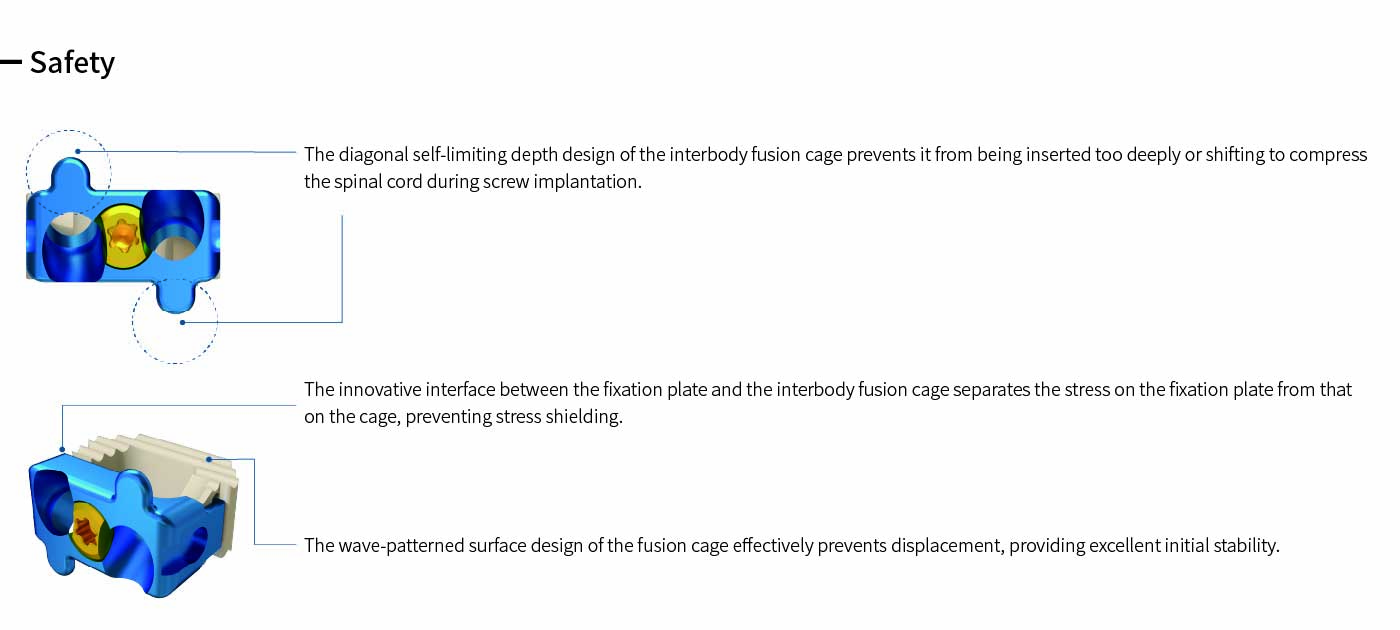
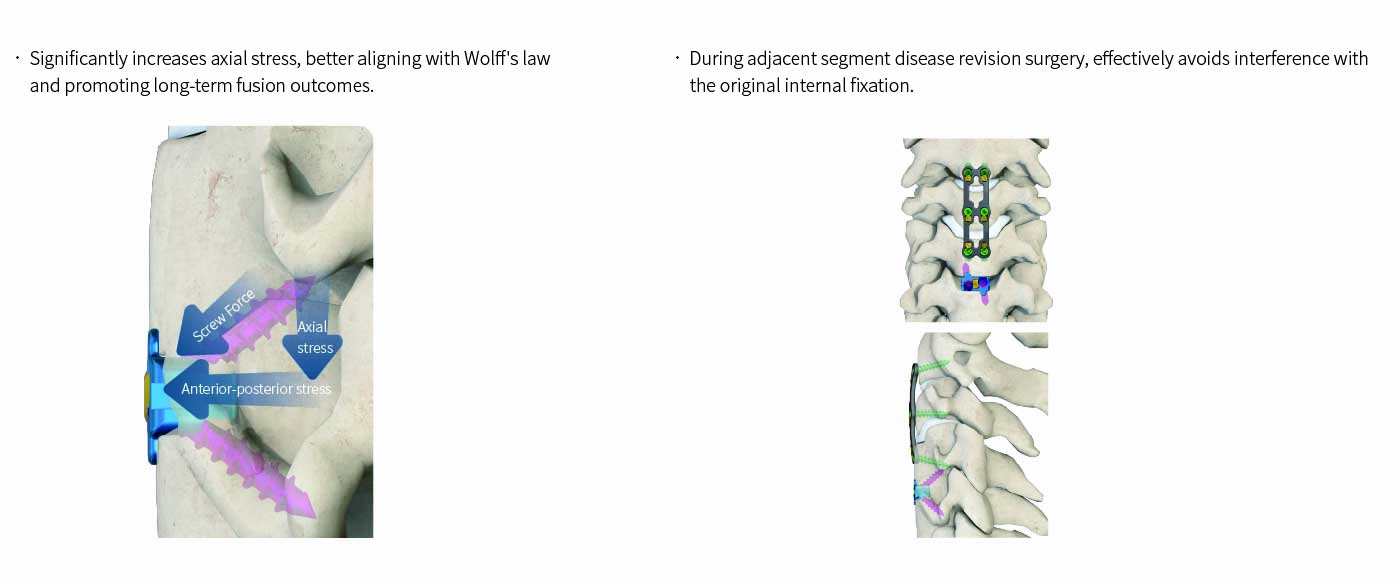
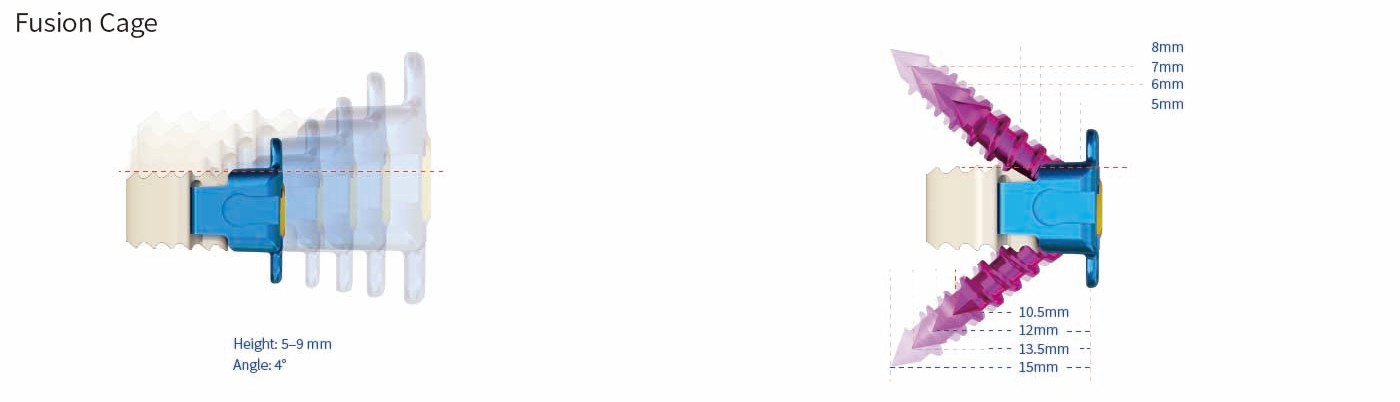
The cage is positioned between adjacent cervical vertebral bodies and secured with titanium alloy screws to help restore disc height and cervical lordotic alignment. Its distraction-compression stabilization concept is designed to generate opposing forces after the intervertebral space is distracted and the implant is secured. This configuration helps resist rotational and shear forces and provides early segmental fixation during the fusion process.
Following discectomy, the cage supports reconstruction of the anterior spinal column, transfers axial loads across the treated segment, and helps maintain tension within the annulus and ligamentous structures. The implant provides initial mechanical stability, while successful fusion ultimately depends on bone growth through and around the implant.
-Features
Easy to Use
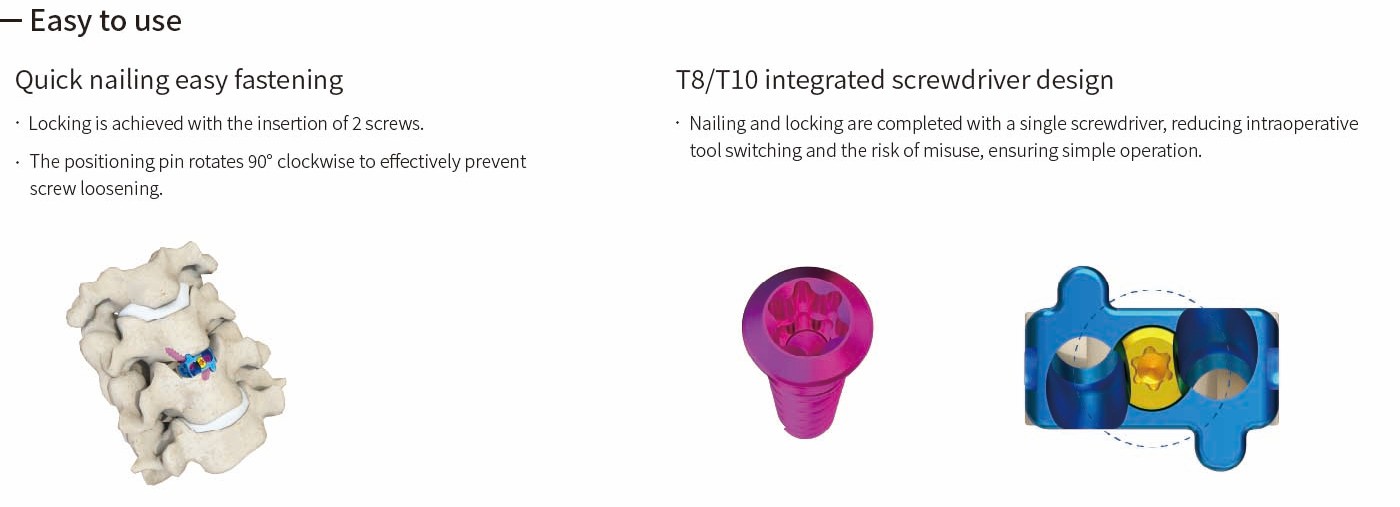
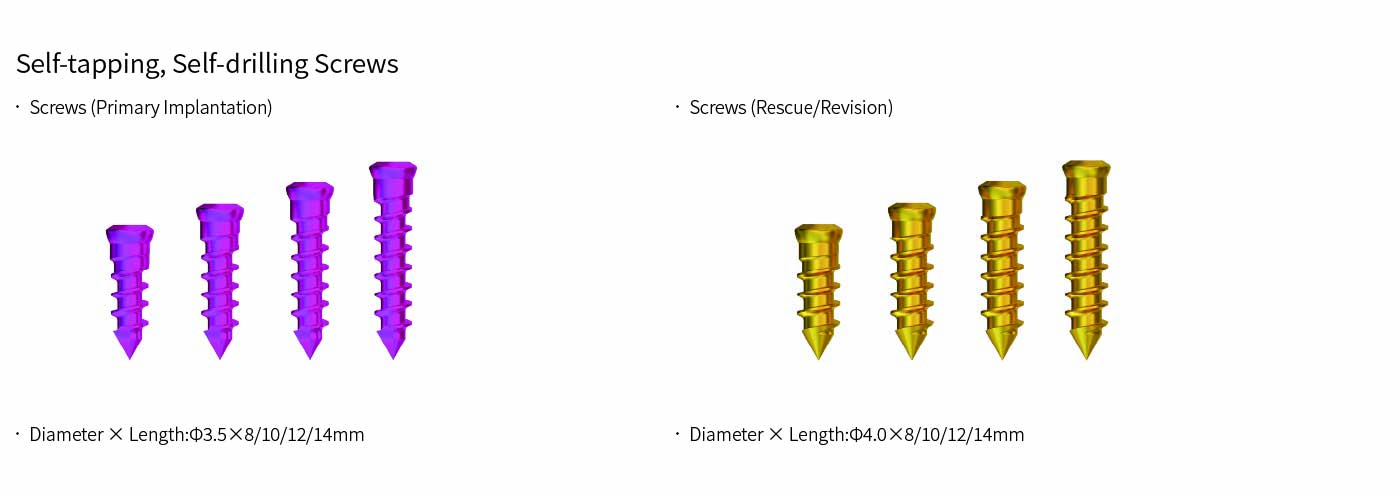
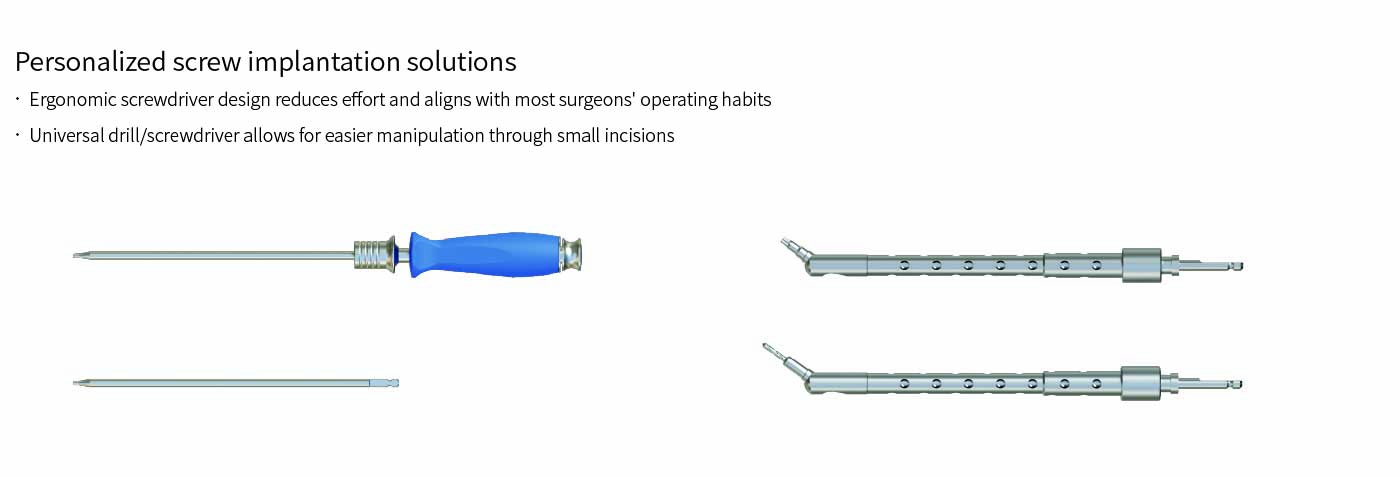
• Quick Screw Fixation: The fixation process is designed for efficient screw insertion and secure fastening.
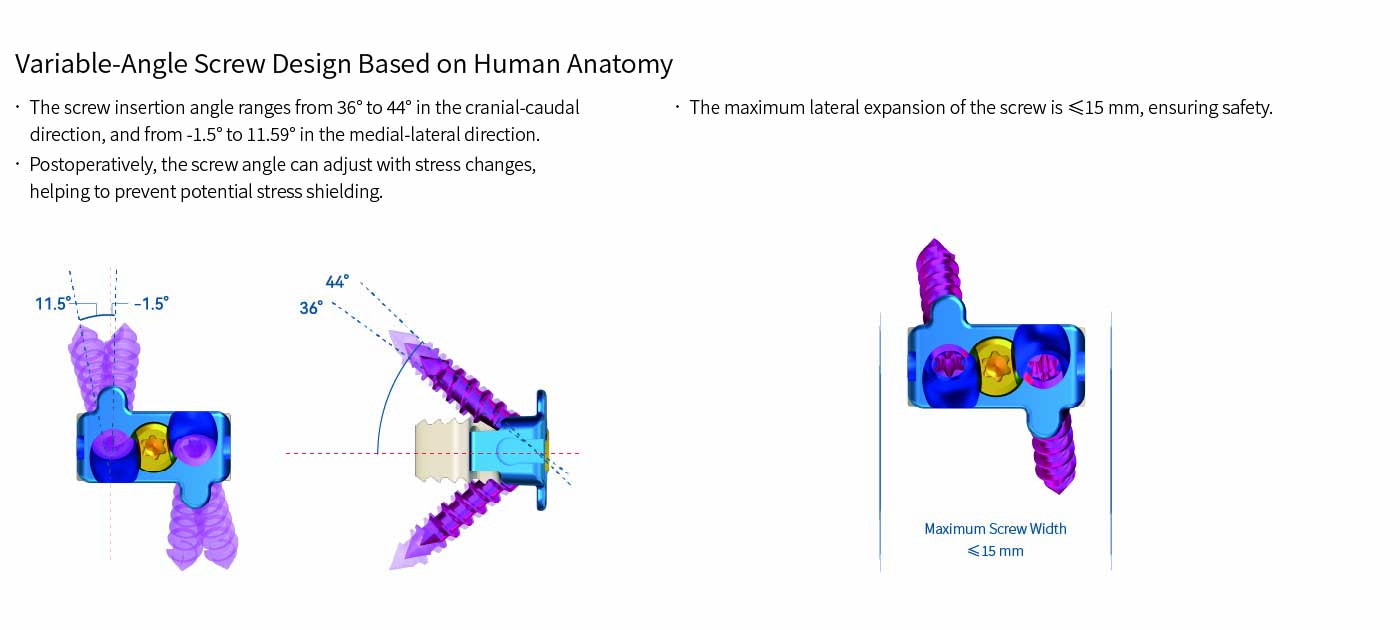
• Two-Screw Locking: The implant can be secured using two screws, simplifying the fixation procedure.
• Rotational Locking Pin: The positioning pin rotates 90° clockwise to help secure the fixation mechanism and reduce the risk of screw loosening.
Versatile Instrument Design
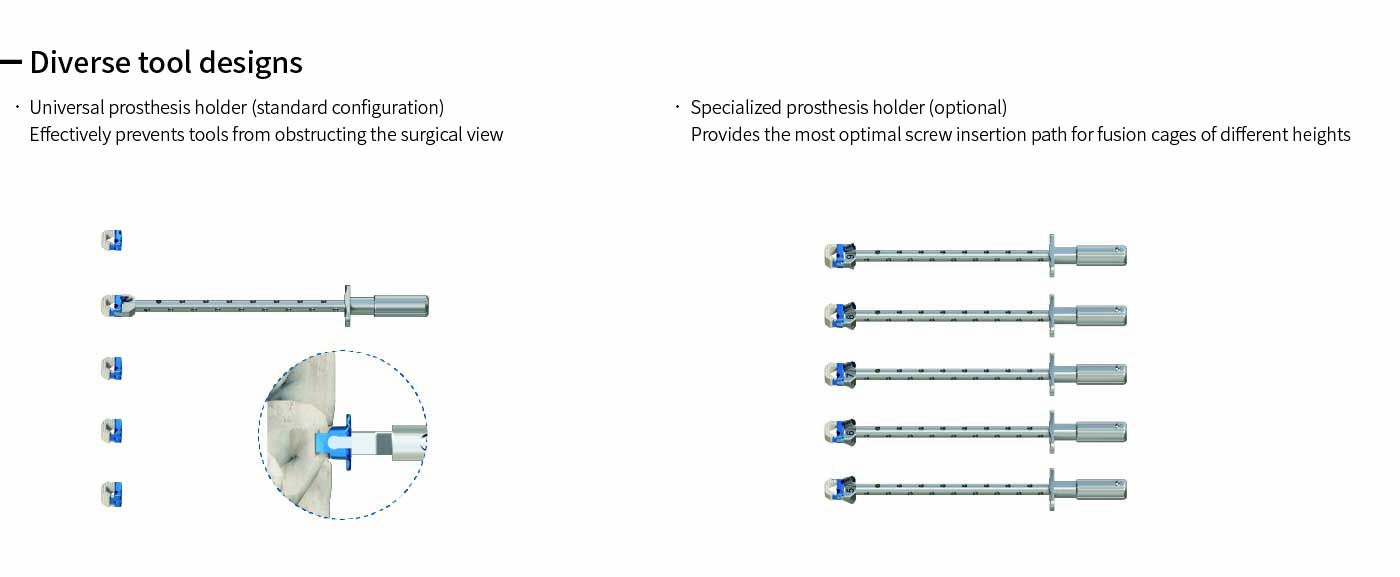
• Universal Prosthesis Holder: The standard configuration includes a universal implant holder designed to minimize obstruction of the surgical field and maintain a clear operative view.
Anatomically Oriented Design
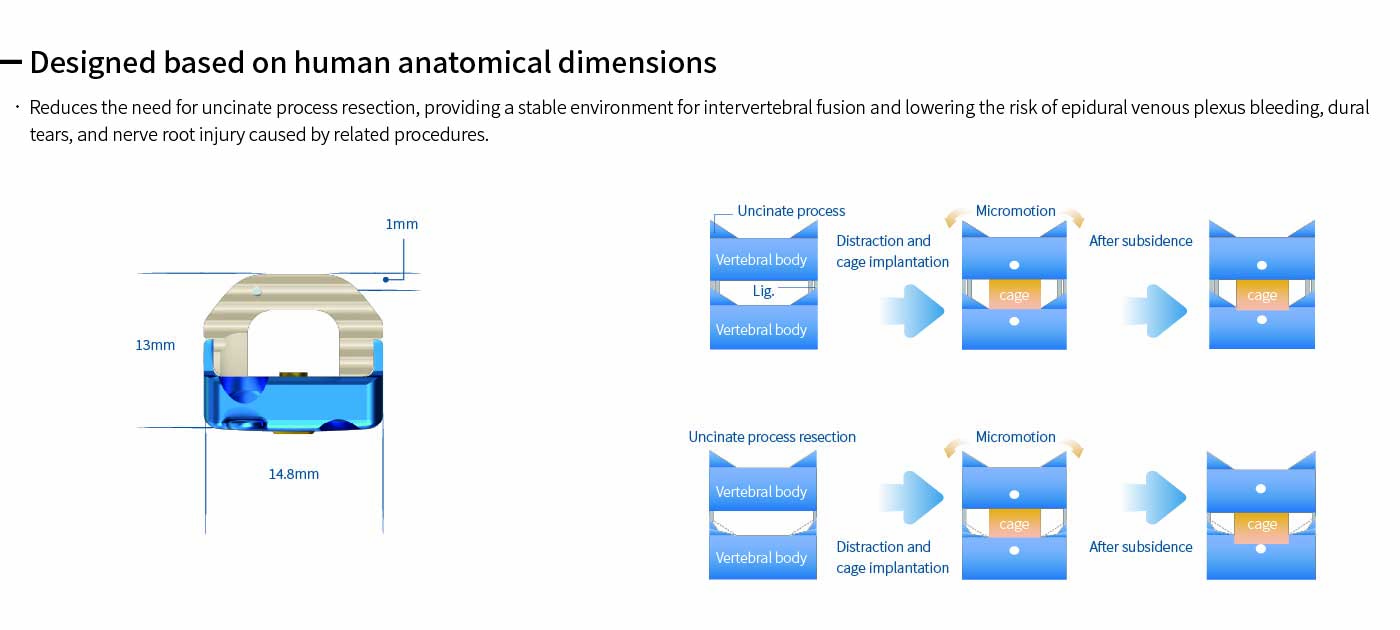
• The implant design is based on cervical anatomical dimensions and is intended to reduce the need for extensive uncinate process resection.
• This approach provides a suitable environment for intervertebral fusion while helping minimize the potential for complications associated with related procedures.
Efficient Screw Fixation
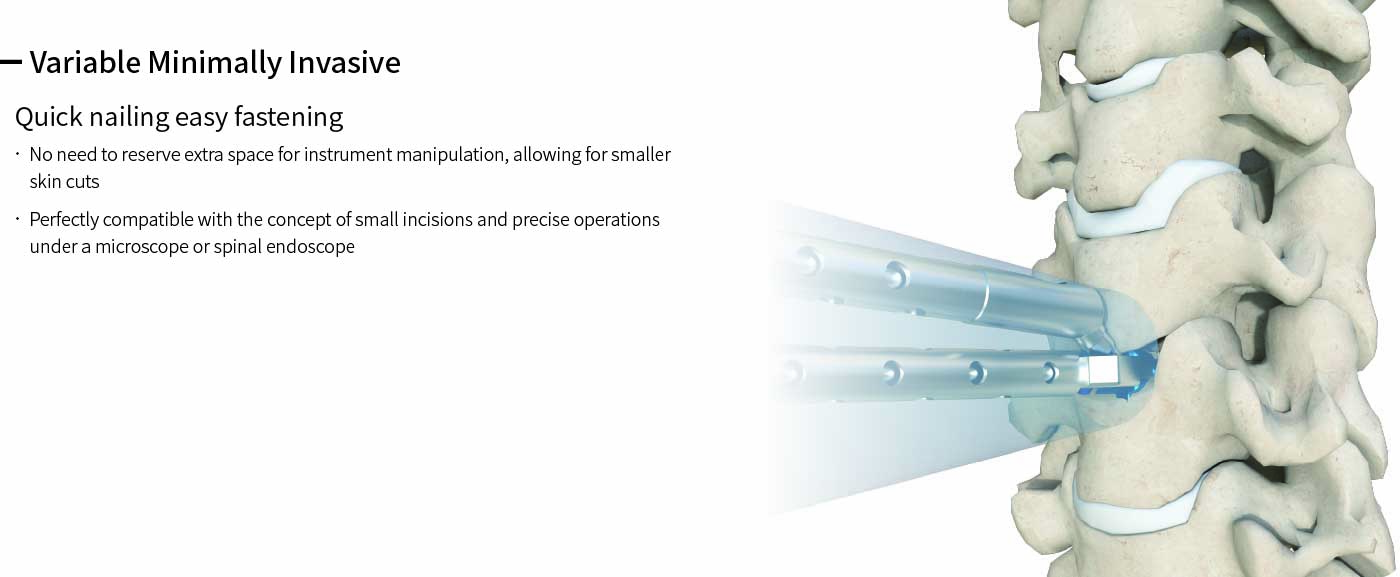
• The fixation design does not require additional space to be reserved for extensive instrument manipulation, supporting smaller surgical incisions.
• The system is suitable for minimally invasive surgical concepts and precise procedures performed under a microscope or spinal endoscope.