The Anterior Cervical Plate – Type III is composed of titanium plates and screws intended for anterior cervical spine stabilization. All components are manufactured from TC4 titanium alloy, providing a combination of biocompatibility, mechanical strength, and corrosion resistance.
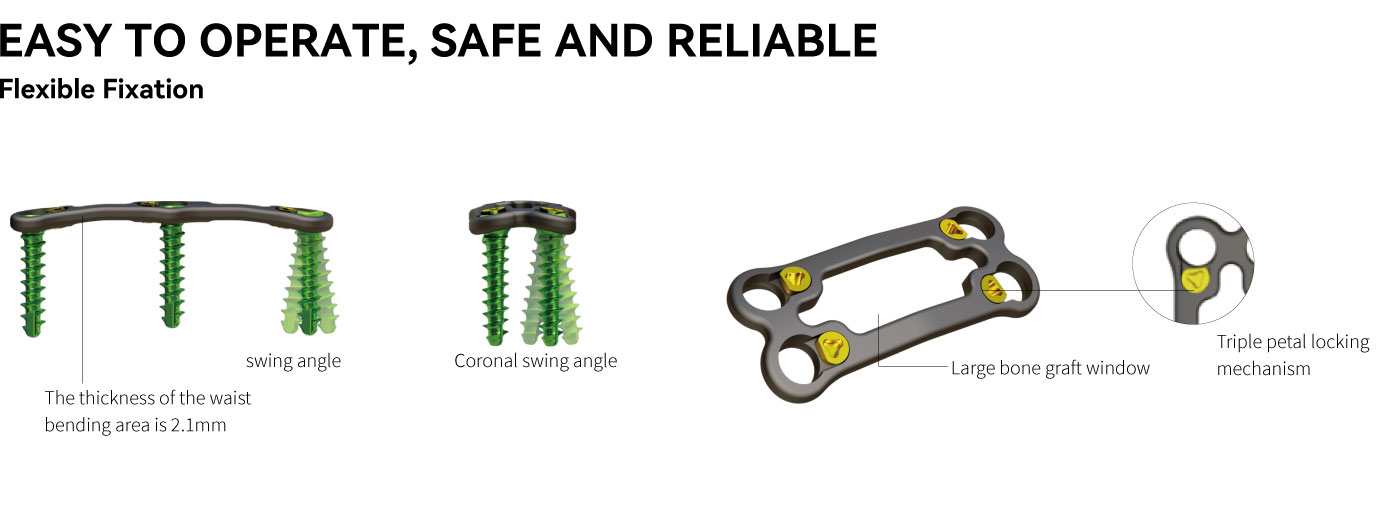
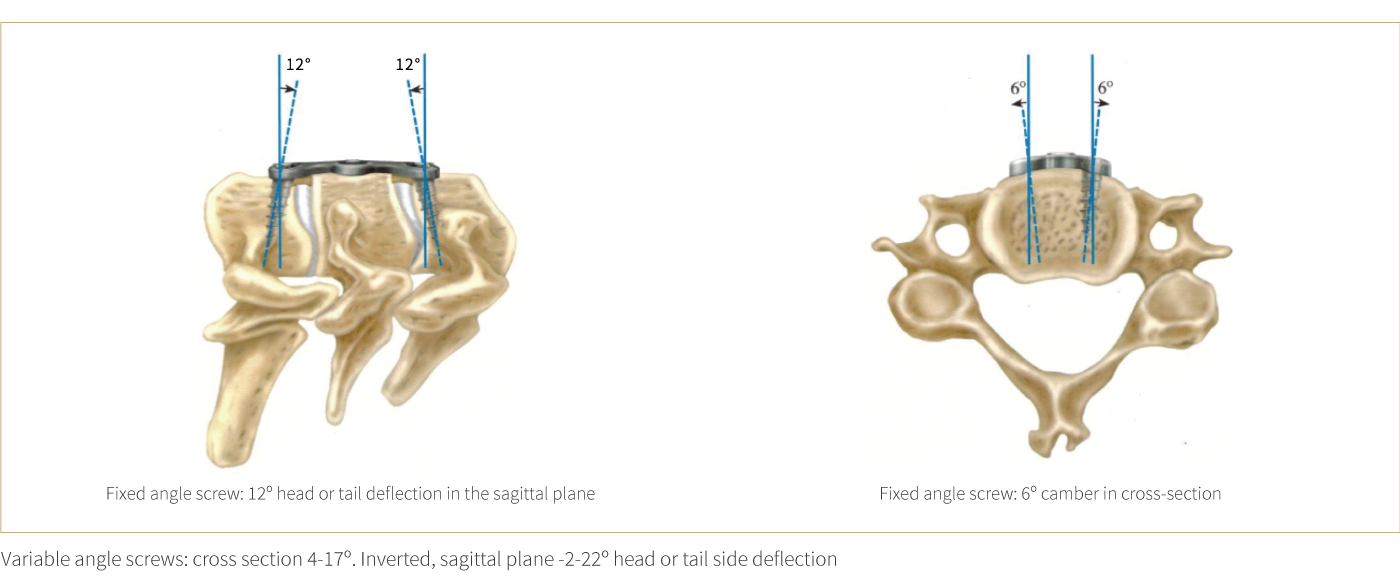
The system supports both fixed-angle and variable-angle screw placement into the vertebral body. The angular fixation configuration enhances the interaction between the plate, screws, vertebral surface, and bone graft, while the locking mechanism is designed to help prevent screw loosening or back-out and maintain construct stability.
During cervical flexion, the plate-screw construct provides structural support, while during extension it functions as a tension-band structure. These mechanical characteristics contribute to postoperative segmental stability and support the fusion process. The design also helps limit graft migration and may facilitate earlier postoperative mobilization with reduced reliance on external bracing.
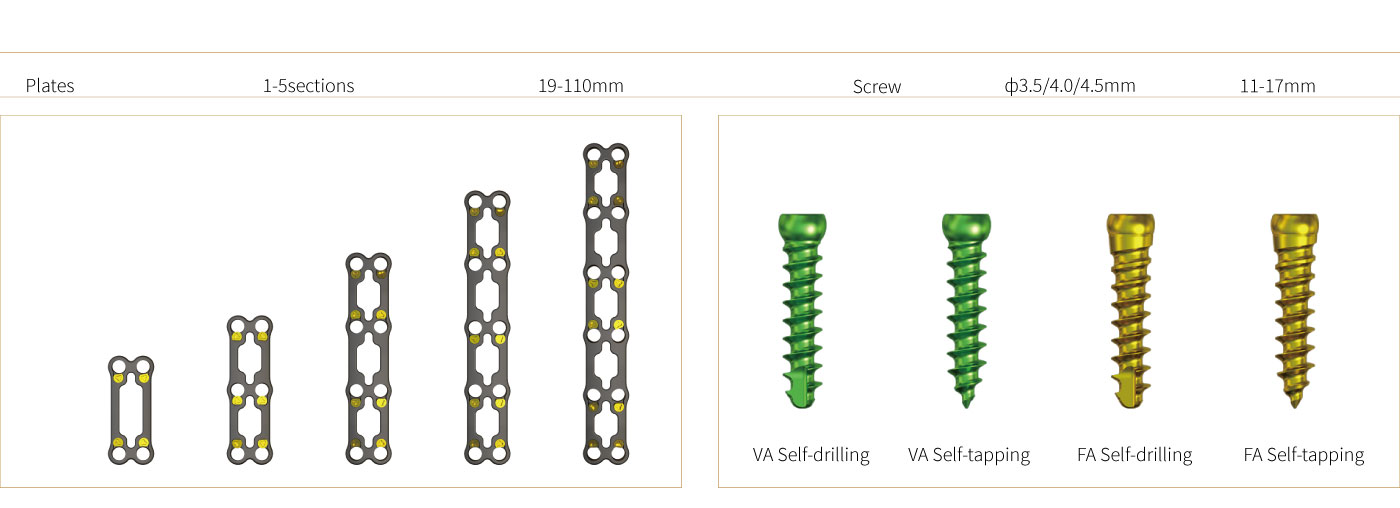
A range of plate lengths is available for single- to five-level applications, together with fixed-angle and variable-angle screw options to meet different surgical requirements.
Optional strong-fixation and semi-strong-fixation screws are available to accommodate different fixation requirements.
The three-lobed locking structure provides secure engagement between the screws and plate and is designed to help reduce screw back-out.
Titanium plates are available in configurations covering one to five cervical levels.
Screw options include 3.5 mm, 4.0 mm, and 4.5 mm diameters to accommodate different clinical requirements.
Strong Anterior Support: The plate provides anterior structural support, particularly during cervical flexion, helping maintain disc-space height and cervical lordotic alignment following surgery.
Secure Angular Fixation: The angular screw-locking configuration strengthens the relationship between the plate, screws, vertebrae, and graft while helping reduce the risk of screw back-out.
Multiple Configurations: A selection of plate sizes and screw configurations allows the fixation construct to be selected according to the surgical requirements.
Anatomical Contour: The contoured plate profile is designed to conform to the anterior cervical anatomy, helping minimize unnecessary hardware prominence and potential irritation of surrounding structures.
Bidirectional Curvature: The plate incorporates curvature in two directions to support physiological cervical alignment and long-term construct stability.
Optimized Plate Dimensions: Carefully designed plate dimensions support screw anchorage while minimizing unnecessary exposure of adjacent cervical soft tissues.
Indications
• Cervical degenerative disc disease requiring anterior interbody fusion
• Cervical instability associated with trauma, tumor, or infection
• Cervical spondylotic myelopathy or radiculopathy
• Cervical vertebral fractures or dislocations
• Revision procedures for pseudarthrosis or hardware failure
• Multilevel cervical fusion requiring rigid anterior fixation