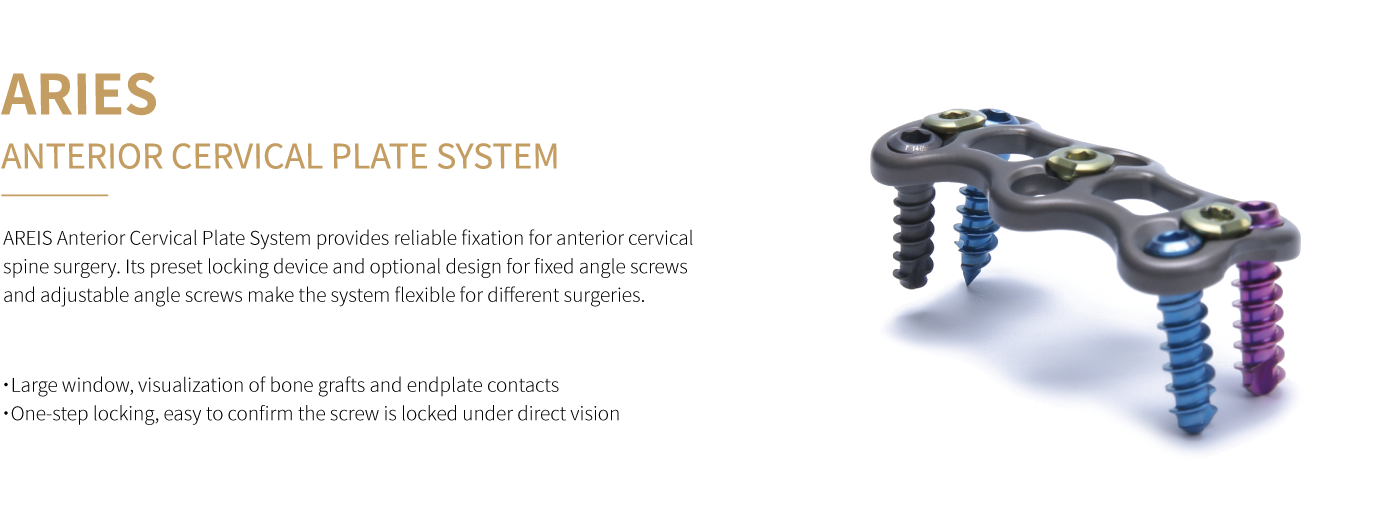
The Anterior Cervical Plate – Type II is designed to provide anterior stabilization and support following cervical spinal fusion procedures. The system incorporates a pre-configured locking mechanism and accommodates both fixed-angle and variable-angle screws, offering surgeons flexibility for different surgical techniques, including ACDF, ACCF, and ACAF.
The plate is positioned on the anterior aspect of the cervical spine and secured to the adjacent vertebrae with screws. By maintaining vertebral alignment and providing immediate mechanical support, the plate helps control excessive segmental movement during the bone-fusion process.
The system is intended to support cervical stability in procedures involving conditions such as degenerative disc disease, disc herniation, and spinal trauma.
TC4 Titanium Alloy:Manufactured from TC4 titanium alloy, the plate combines high mechanical strength, low weight, and biocompatibility for use as an implantable medical device.
Anatomical Profile:The plate is contoured to follow the anatomical characteristics of the cervical spine, facilitating close adaptation to the anterior cervical surface.
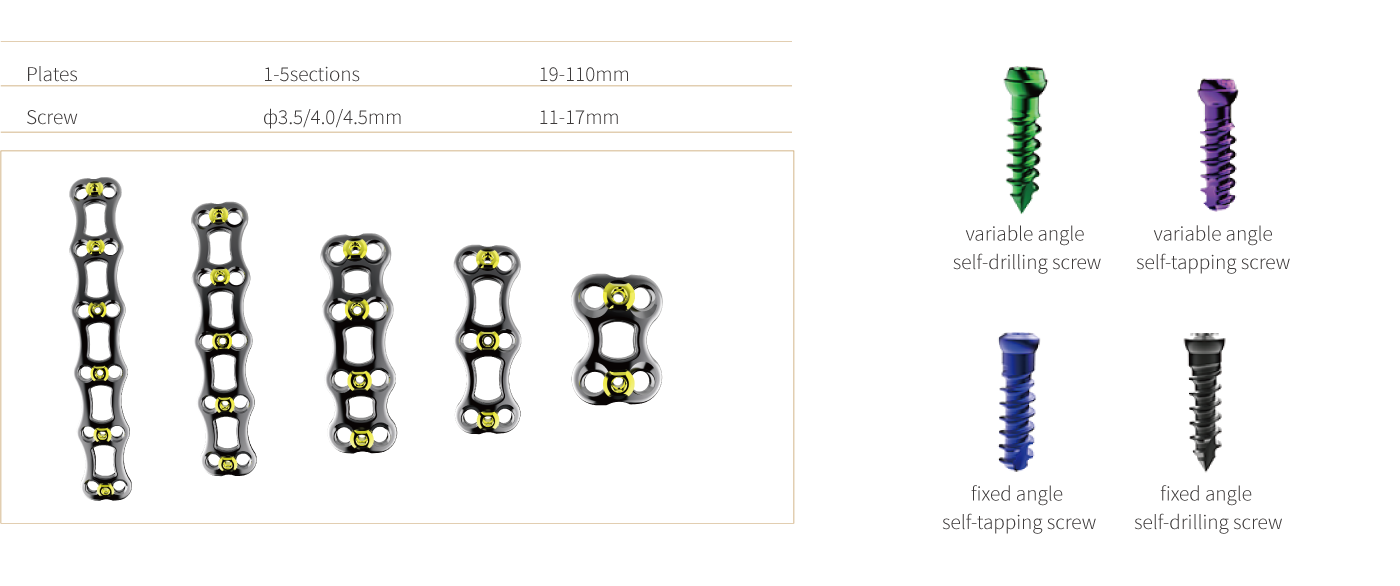
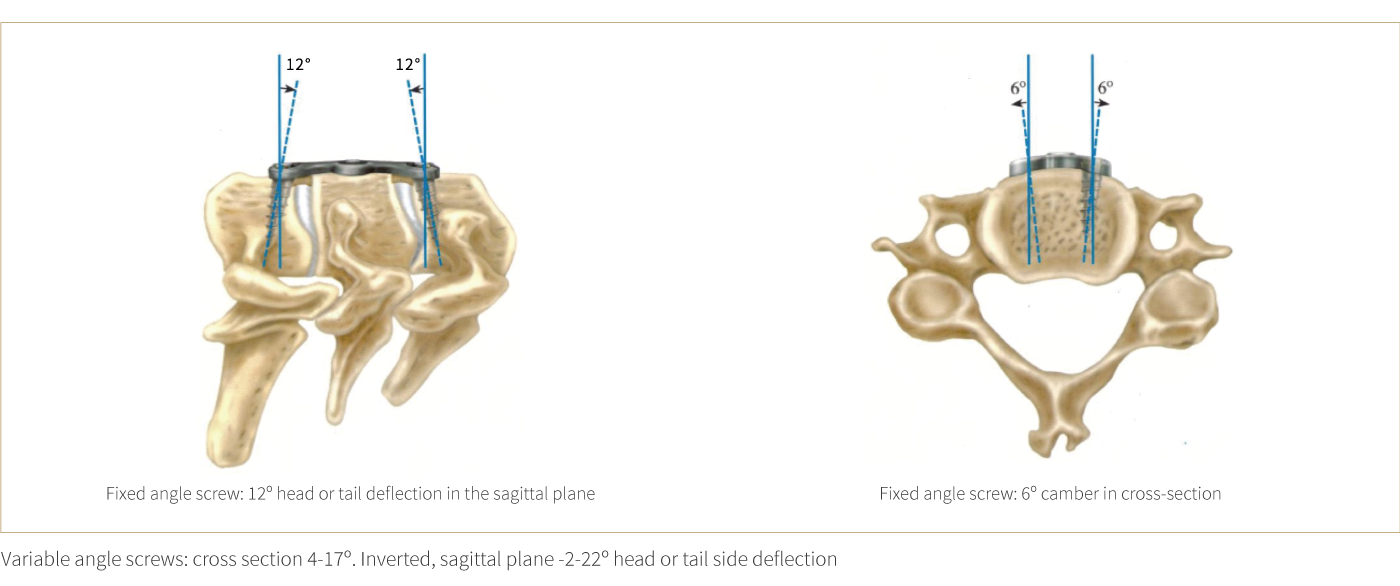
Multiple Screw Options:Fixed-angle, variable-angle, self-tapping, and self-drilling screw options provide flexibility when selecting the appropriate fixation configuration.
Anti-Migration Structure:Integrated teeth on the plate are designed to help resist unwanted plate movement and maintain positioning during the healing period.
The system is designed to combine fixation reliability, surgical flexibility, and efficient intraoperative handling. Its locking mechanism and range of screw configurations provide surgeons with options for different cervical fixation requirements.
The anatomical plate profile, titanium alloy construction, and anti-migration features are designed to support stable anterior cervical fixation throughout the fusion process.
• Degenerative Disc Disease
• Trauma
• Tumors
• Deformity (defined as kyphosis, lordosis, or scoliosis)
• Pseudarthrosis
• Failed Previous Fusions
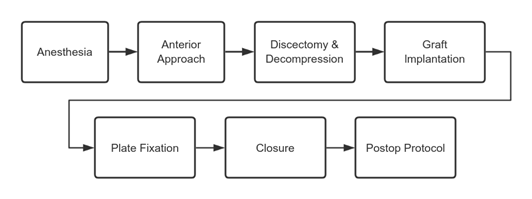
Anterior cervical plate implantation may be performed as part of an anterior cervical discectomy and fusion (ACDF) procedure for conditions such as cervical disc herniation or spondylosis.
Under general anesthesia, the patient is placed in a supine position. A transverse incision is made in the anterior neck to access the cervical spine. The platysma is dissected, and gentle retraction is used to expose the target vertebral levels.
The affected intervertebral disc is removed, and associated osteophytes may be resected to achieve neural decompression. An interbody graft, such as an autograft, allograft, or interbody cage, is subsequently placed within the disc space.
The anterior cervical plate is then positioned over the treated segment and secured to the adjacent vertebrae using the appropriate locking screws. This provides segmental stabilization during the fusion process.
After confirming the positioning of the implants, the surgical site is closed in layers and covered with a sterile dressing. Postoperative management, including cervical immobilization and rehabilitation, should be determined by the treating surgeon according to the patient's condition and clinical requirements.